Who stole the harbor?
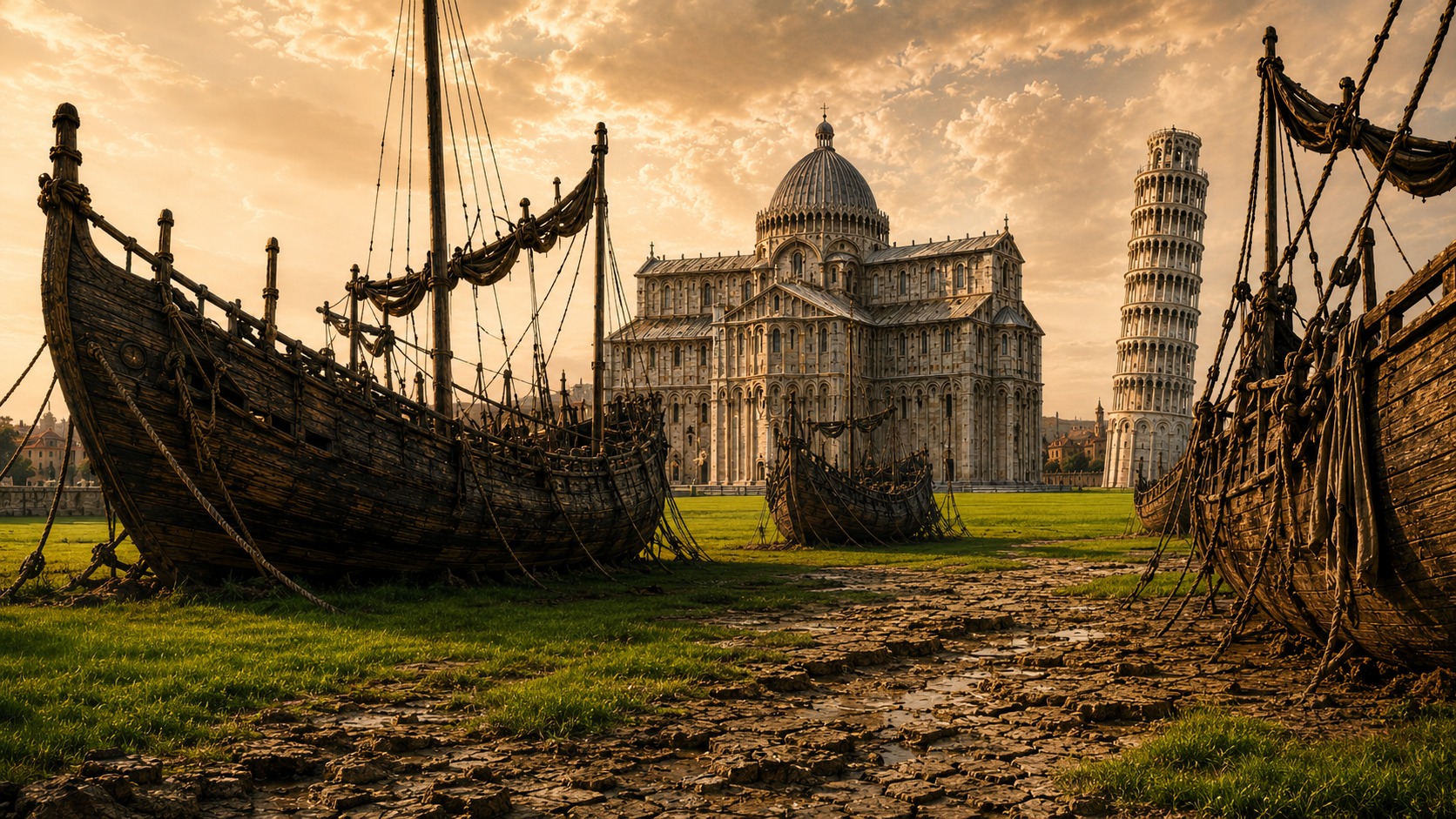
In 1290 Pisa wakes up without a sea. Ships remain in the mud. Captains become ghosts on dry land.
Read the scene in the book →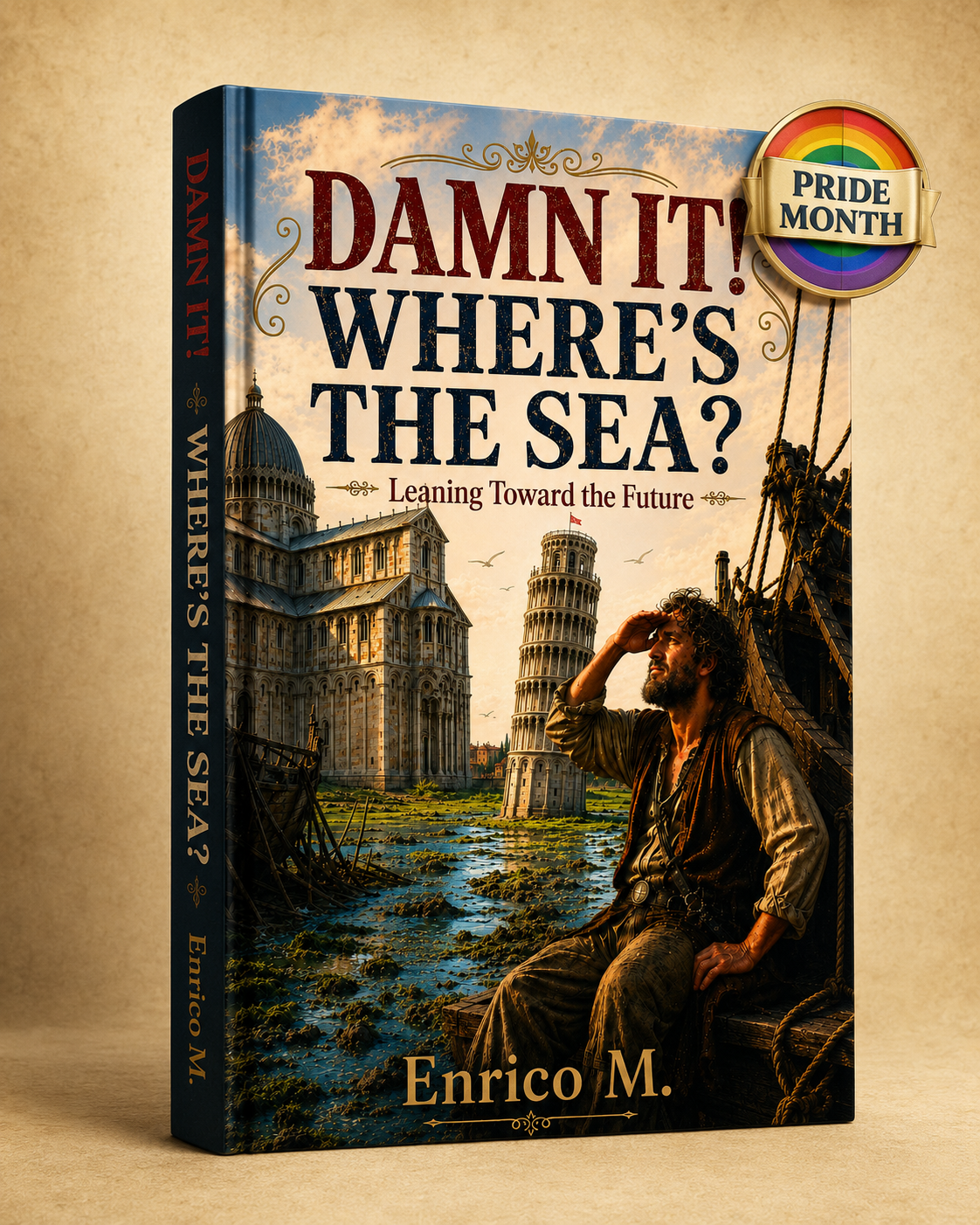
A historical novel. An Italian-style comedy. Eight centuries of genius and disaster.
The story of a family and a city that lost the sea, messed up its foundations, got slapped around by History... and somehow beat everyone anyway. Because sometimes, to stay upright, all you need is to lean the right way.
A city can lose the sea. Not the habit of inventing a future.
Between mud, marble, stranded ships and stubborn families, Pisa turns every flaw into a story worth telling.
Before the Tower, before the grass under the ships, before the vanished sea: there is a kitchen in Kinzica, a broken captain, and a woman who understands before everyone else that losing well is an art.
It is not only the story of a city. It is a piece of Italy told like a film: harbor and mud, Tower and construction sites, Dante and curses, Pride and rights, Internet and the future. Every scene is a chapter of a country that stumbles, gets up crooked, and keeps going.
In 1290 Pisa wakes up without a sea. Ships remain in the mud. Captains become ghosts on dry land.
Read the scene in the book →
Because straightening it would have been banal. Keeping it standing while it fell was much more Pisan.
Read the scene in the book →
Yes. Then the Pisans carved the insult in marble and turned it into tourism.
Read the scene in the book →
Pisa, 1979. When the future looked crooked, someone decided to cross the Ponte di Mezzo.
Read the scene in the book →
Pisa, 1986. A computer as big as a refrigerator and a tiny message: OK.
Read the scene in the book →The sea disappears, mud advances, the Tower leans, Dante curses, the future crosses a bridge and then passes through a computer as big as a refrigerator.
Meloria opens the wound. Bernardo comes home, Bice does the math, and someone realizes the Genoese want to steal the water.
Ships remain stranded where the sea should be. And here the most absurd question begins: how do you survive without water under the keel?
The Tower sinks. Pisa does not hide it: it turns it into the most famous brand in the world.
The Supreme Poet would like to drown Pisa. The city takes the insult, carves it into marble, and builds tourism and memory on top of it.
Pisa becomes a stage for rights, courage and identity while Italy is still looking elsewhere.
A huge computer opens Italy’s door to the Internet. The sea is gone, but Pisa has found another route.
Outside the book, the city is already a novel.

CLICK OR HOVER
The legend: on the side of the Cathedral, marks in the marble are said to have been left by the Devil, jealous of the church’s beauty. Try counting them: tradition says the number changes every time.
CLICK OR HOVER
She is not the only one leaning: in Pisa, San Nicola and San Michele degli Scalzi lean too. Here even the vertical line seems to have picked a side.

CLICK OR HOVER
University good-luck charm: a small student legend lives on the Cathedral: touching it is said to bring luck in exams. Anxiety, superstition and worn bronze.

CLICK OR HOVER
March 25: in Pisa, the New Year begins when a ray of sunlight enters the Cathedral. For centuries, nine months ahead of everyone else. Naturally.
10 random questions to find out if you really know Italy’s most famous crooked story.
Every memory is reviewed before publication. Approved contributions may appear publicly on the Wall and become part of the project.
Every month we select the most original, funny or surprising contribution published on the Wall of Pisan Spirit and turn it into a 3D / interior design concept based on photos requested from you, through www.associazionelidar.it.
Free artistic-editorial initiative. No purchase required. It is not a prize contest: it is a monthly artistic selection connected to the cultural project.
 3D project from photos
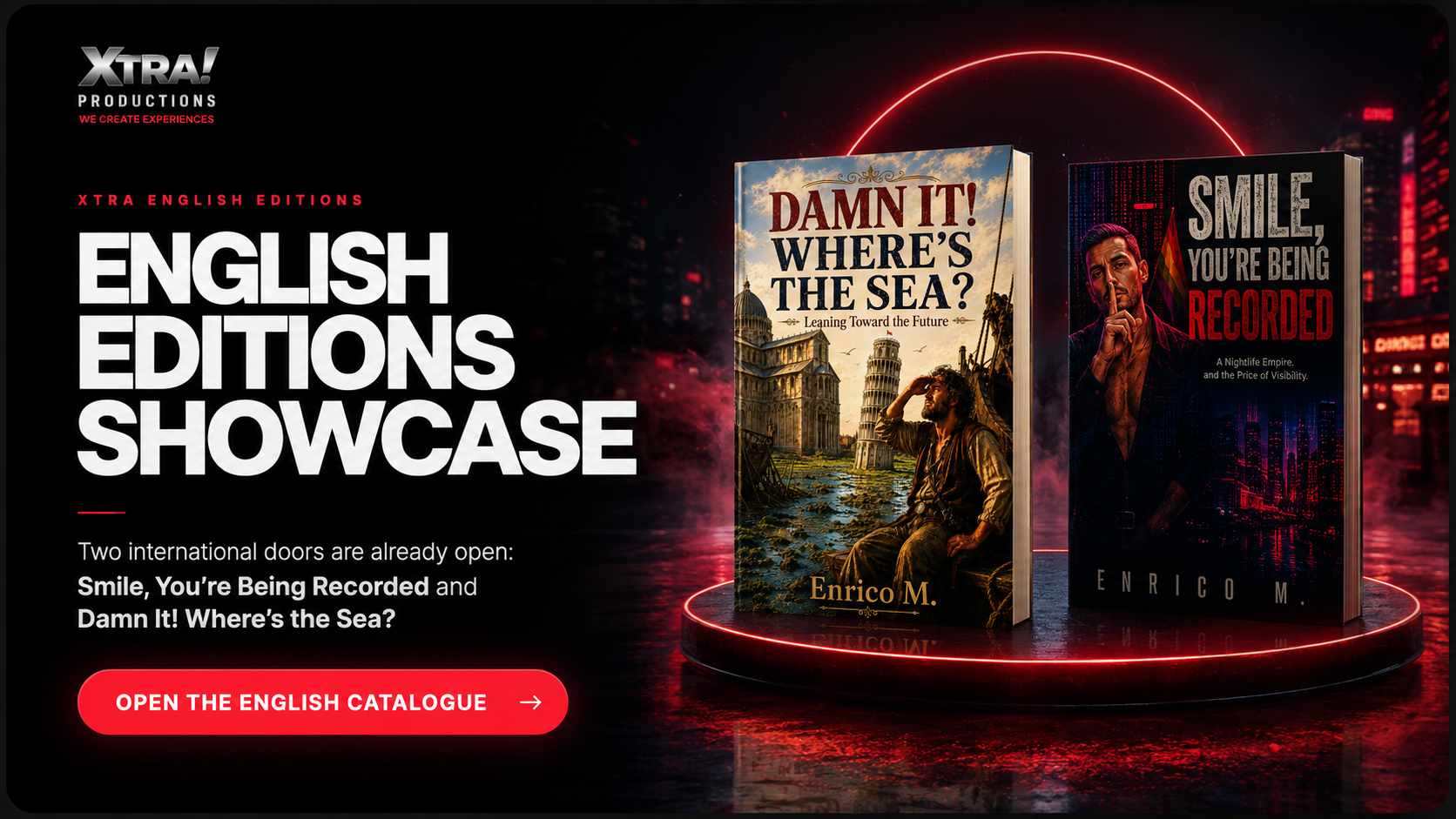
No mixed showcases here: just a clean bridge to the English XTra catalogue and the books already opening the international shelf.
DAMN IT! WHERE'S THE SEA? is already available in English and is opening its wider international journey. Use this area for active and upcoming language editions.
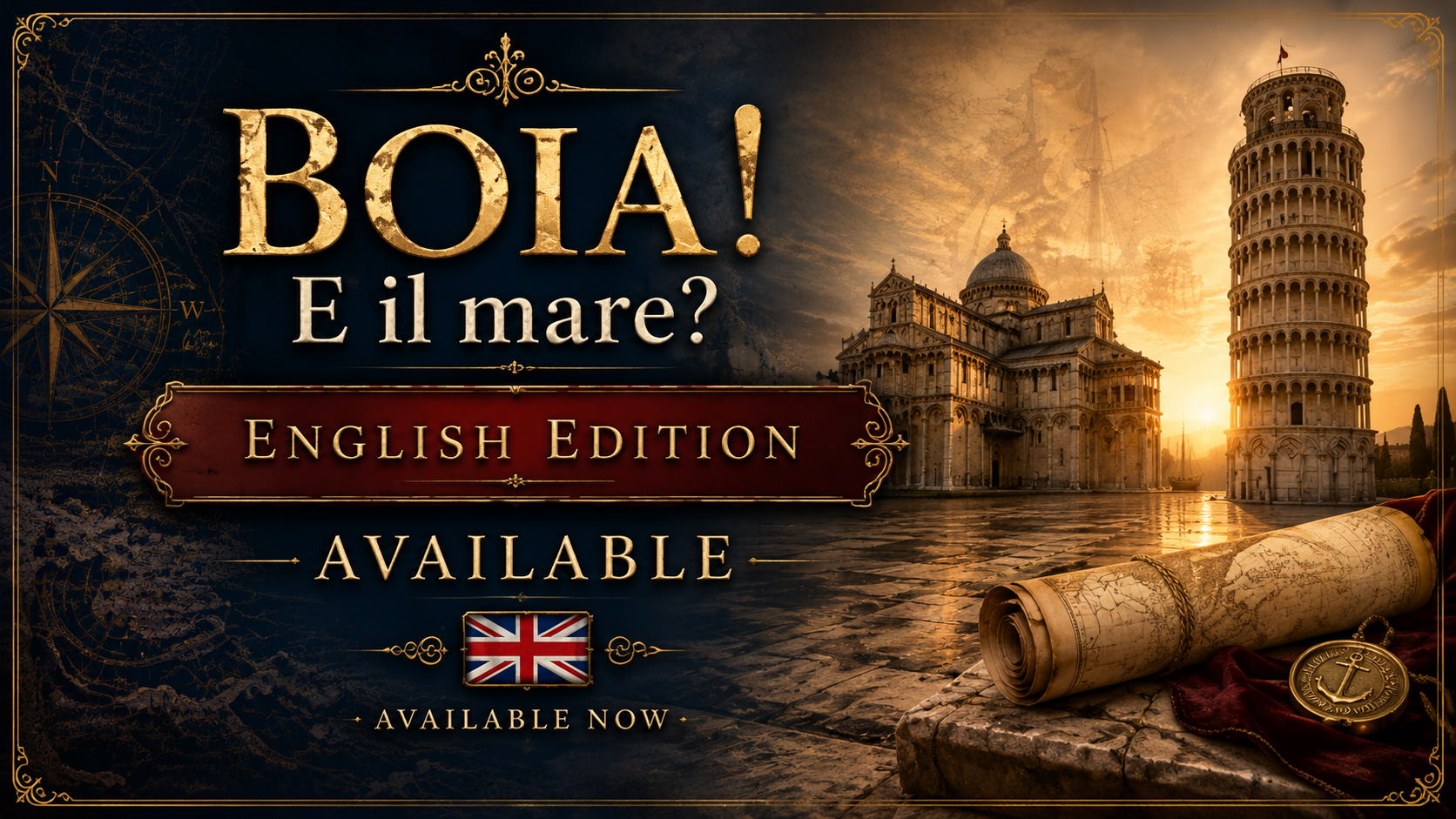
The English edition is available now. Share it with international readers, friends abroad and English-language press contacts.
Already here? Perfect. This is the English landing page for the book.

Una comedia histórica italiana sobre una ciudad que pierde el mar y encuentra otra forma de mantenerse en pie.

Une comédie historique pisane: la mer disparaît, les bateaux restent dans la boue, et la ville apprend à pencher du bon côté.
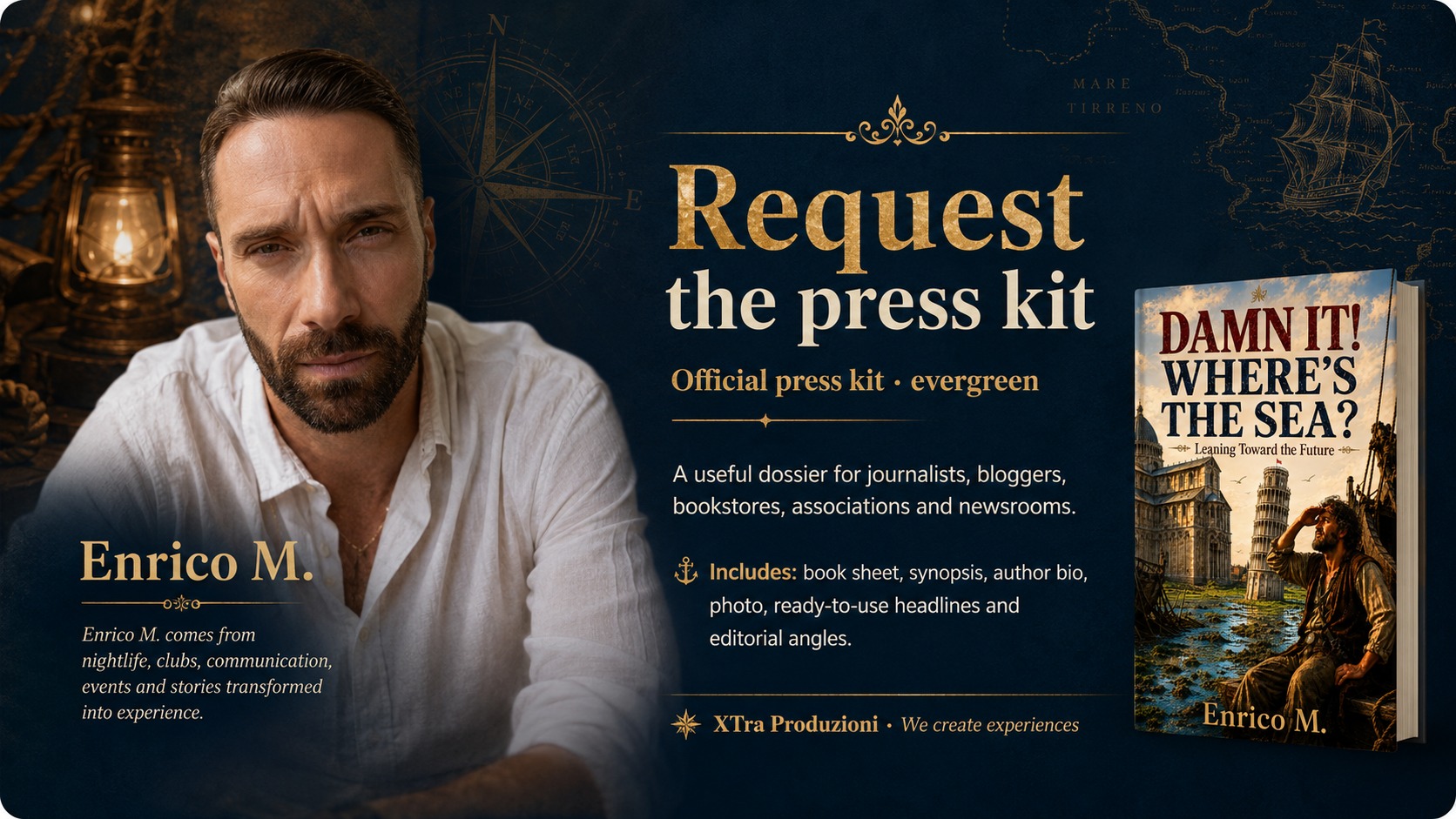
Leave your contact details: you will immediately receive the official press kit by email, with cover, author photo, synopsis, bio, editorial angles, ready-to-use headlines and materials for articles, interviews, presentations and features.